
USDT BEP-20 vs ERC-20: Which Should You Use for Casino Deposits?
By Iris Cole · Strategy & Originals Editor · March 18, 2026
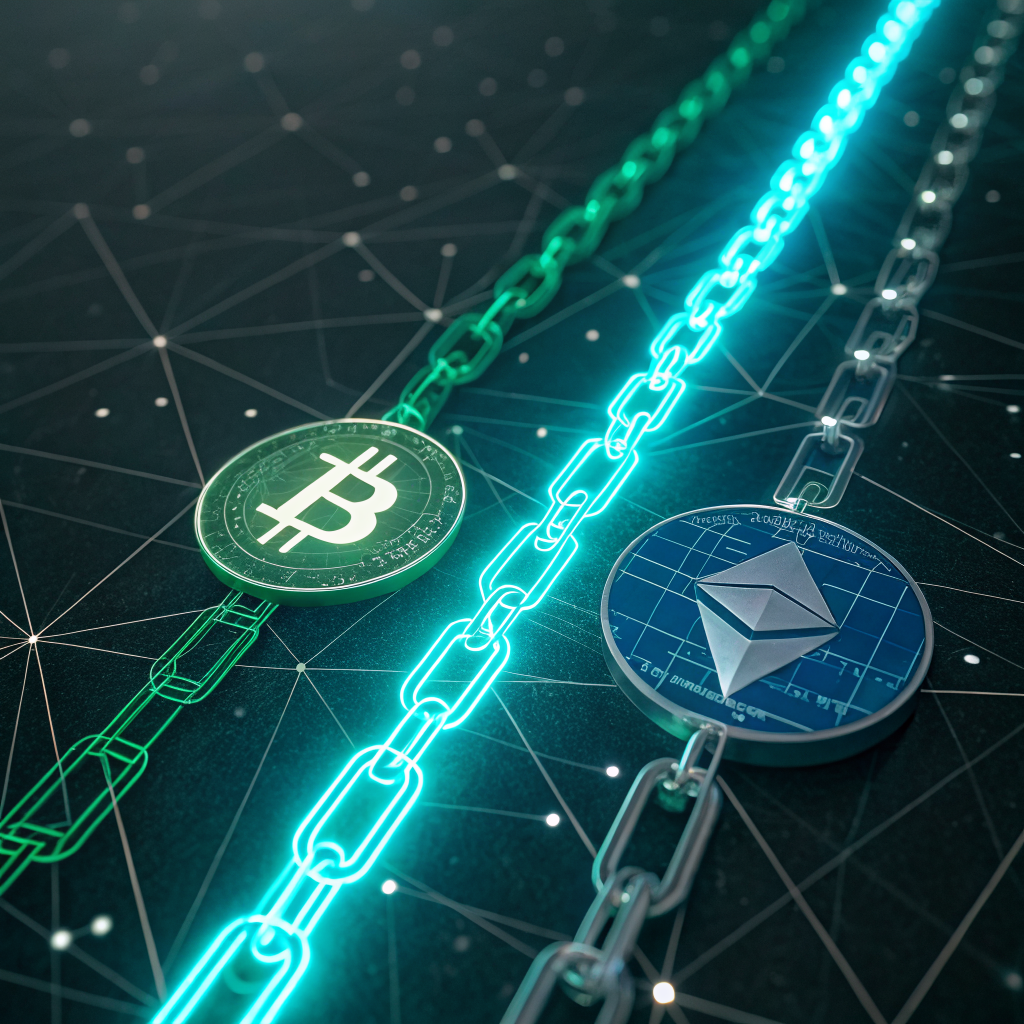
USDT exists on multiple blockchains simultaneously, and the two most widely used are BEP-20 (Binance Smart Chain) and ERC-20 (Ethereum). Both tokens represent $1 of Tether-issued stablecoin, but they live on separate networks with different transaction costs, speeds, and ecosystem integration. For crypto casino players, choosing the wrong one can mean delayed deposits, failed transactions, or funds sent to an unrecoverable address. This guide explains every practical difference.
The Same Token, Different Networks
Tether (USDT) issues its stablecoin on multiple blockchains. Each issuance is backed by the same reserves and pegged to $1, but each operates on a separate blockchain with its own validators, fee structure, and tooling. The token itself is not automatically transferable between chains — moving from ERC-20 to BEP-20 requires using a bridge or going through an exchange.
| Feature | USDT ERC-20 (Ethereum) | USDT BEP-20 (BSC) |
|---|---|---|
| Blockchain | Ethereum | Binance Smart Chain |
| Address format | 0x... (same as BSC) | 0x... (same as Ethereum) |
| Block time | ~12 seconds | ~3 seconds |
| Typical gas fee | $1–$30 (can be $50+) | $0.05–$0.20 |
| Confirmation time | 1–5 minutes | 15–60 seconds |
| Ecosystem | Most DeFi, NFTs | PancakeSwap, BSC DeFi |
| Exchange support | Universal | Most major exchanges |
| Decentralisation | Higher | Lower (21 validators) |
Why the Address Format Similarity Creates Risk
ERC-20 and BEP-20 addresses look identical: both are 42-character hexadecimal strings starting with "0x". This means it is technically possible to send USDT ERC-20 to an address that only monitors the BEP-20 chain, or vice versa. The funds exist on the chain you sent them on, but if the recipient (your casino account or personal wallet) only watches the other chain, they will not see the credit.
Recovery is often possible but requires:
- The receiving wallet software to support adding the correct chain
- The casino support team to manually process the recovery (if funds landed on the wrong chain in the casino's hot wallet)
- Potentially paying additional gas fees on the incorrect chain
PlayMind operates on BEP-20. Always confirm you are sending on the BSC network before confirming any withdrawal from an exchange.
Fee Comparison: A Practical Example
You want to deposit $50 USDT to PlayMind from Binance:
- ERC-20 route: Exchange withdrawal fee ~$5–$15 (Ethereum mainnet gas). $50 deposit minus $10 fee = $40 actually received (20% fee rate on small deposit).
- BEP-20 route: Exchange withdrawal fee ~$0.80–$1.50. $50 deposit minus $1 fee = $49 received (2% fee rate).
For frequent small deposits, the fee difference is enormous. BEP-20 is objectively superior for casino deposits at any amount, and especially for amounts under $500.
When ERC-20 Might Be Preferred
Despite higher fees, there are scenarios where ERC-20 is the right choice:
- Your exchange only supports ERC-20 USDT withdrawals (some smaller exchanges).
- You are already on Ethereum mainnet or a Layer-2 network and want to avoid adding BSC to your workflow.
- You are using Ethereum DeFi protocols that require ERC-20 USDT.
- You are making a very large transfer where gas is a small percentage of the total and you prefer Ethereum's higher decentralisation.
For PlayMind specifically, only BEP-20 is supported. ERC-20 USDT cannot be deposited directly.
Bridges: Moving Between Networks
If you have USDT on ERC-20 and need it on BEP-20, you have two options:
- Exchange-based: Deposit ERC-20 USDT to a CEX, then withdraw as BEP-20. This is the simplest and most reliable method for most users. Typical round-trip cost: $5–$20 for the ERC-20 deposit plus $1 for the BEP-20 withdrawal.
- Bridge protocol: Use a cross-chain bridge (Multichain, Celer, Stargate) to move USDT directly without going through an exchange. Faster but requires more technical comfort and carries smart contract risk. Bridge fees typically run 0.1–0.5% of the transfer amount.
Setting Up MetaMask for Both Networks
MetaMask supports both Ethereum and BSC. To add BSC:
- Open MetaMask settings → Networks → Add Network.
- Use the custom RPC: Network Name: BNB Smart Chain, RPC URL: https://bsc-dataseed.binance.org/, Chain ID: 56, Symbol: BNB, Explorer: https://bscscan.com
- When sending USDT, always confirm the network shown in the top left matches your intended chain (Ethereum vs BNB Smart Chain).
Conclusion
USDT BEP-20 is the clear practical choice for casino deposits: faster confirmations, negligible fees, and full support at PlayMind. ERC-20 remains important for Ethereum ecosystem activity but is inefficient for gambling use cases. Know your network before every transaction, never assume the same wallet address works across both chains without checking, and always verify your exchange supports BEP-20 withdrawals before buying.